EN
EN  AR
AR PT
PT KO
KO DE
DE TR
TR FR
FR
The exterior of an aircraft may seem simple, but it is constructed of various important components. All parts serve a specific role and failure of any Aircraft composite materials can impact the system as a whole. Each part of the body is important for safe flight, from the body itself carrying passengers, to the wings keeping it in flight. By knowing these essential parts you can not only see how an aircraft works when it is taking off and landing but also beyond that! If you want to learn more about aviation or are thinking of getting into aviation, it is easier to follow if you understand the basics.
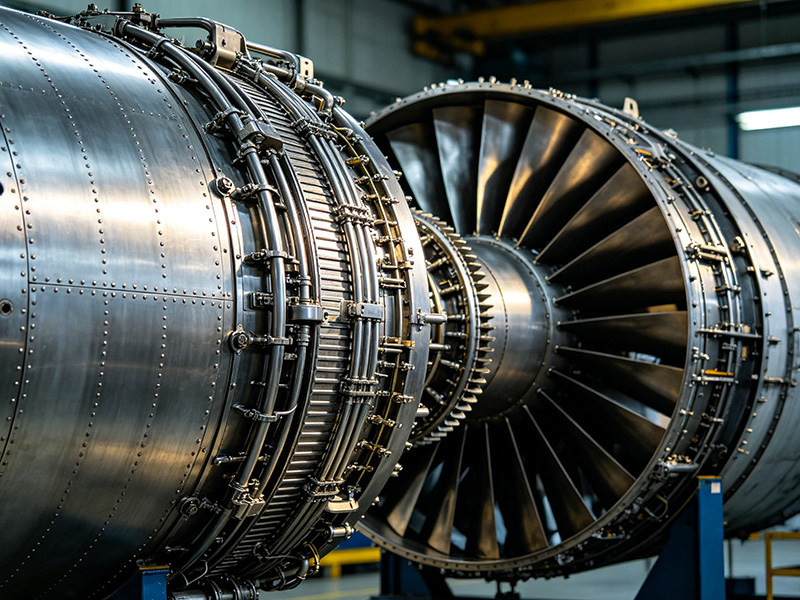
How Do Aircraft Engines Generate Thrust?
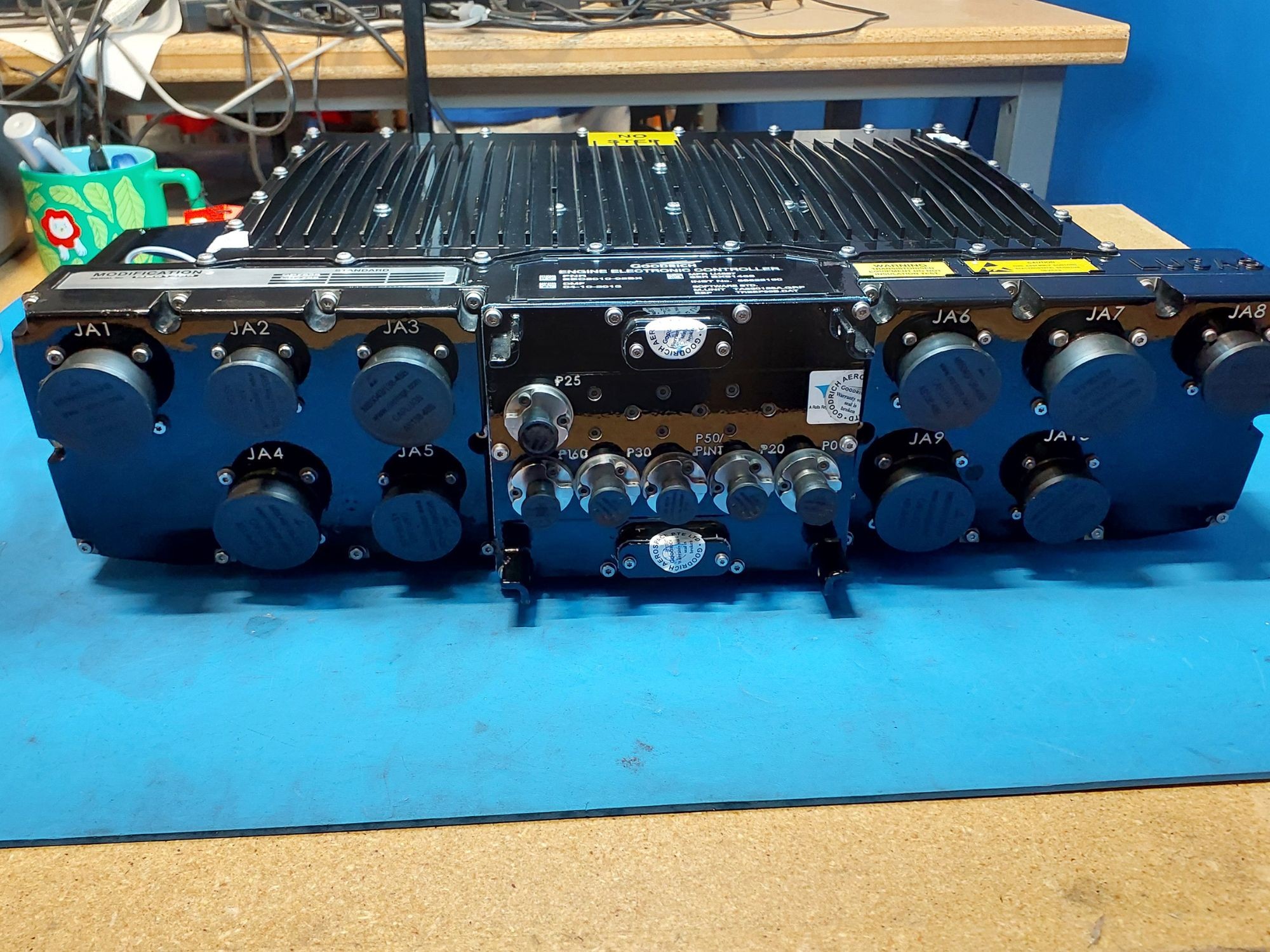
Airspeed propels the aircraft by pushing air in one direction. It is based on the premise of simple cause and effect. If air is made to flow backwards at a high velocity, the plane is pushed in the forward direction.The majority of current aircraft are powered by jet engines. Air is drawn into the front of a jet engine by a fan. This air is then compressed within the compressor section making it tighter and warmer. The fuel is then fed in and combusted in the combustion chamber. Here is where things get strong. The combustion of the fuel produces hot, high velocity gases.The gases are driven out of the back of the engine through a turbine and nozzle. They force the aircraft forward as they fly backward at a high velocity. The forward thrust is known as thrust.An example of a real-life example is an airplane, such as the ones used for long flights. If you're close to the window during takeoff, you may notice the vibration and hear the engines rev faster. At that point, the engines of the big plane are making their most power to take off a heavy plane.Additionally, there are different types of jet engines. The most widely used engines on passenger aircraft are turbofan engines as they have the advantage of being quieter and more fuel efficient. There is a large fan at the front which circulates some extra air through the engine core, creating a smooth and steady power output.The power output of the engine is controlled by using the cockpit throttle. If this is pushed further forward, more fuel goes into the engine, meaning more thrust is produced. If this is pulled back, the engine will slow down and so less power is produced.Very basically, an aircraft engine does not pull the plane forward. The engine forces air so far back that the aircraft travels forward.
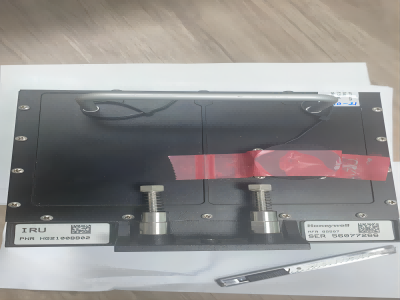
What Is the Role of Avionics in Modern Aircraft Systems?
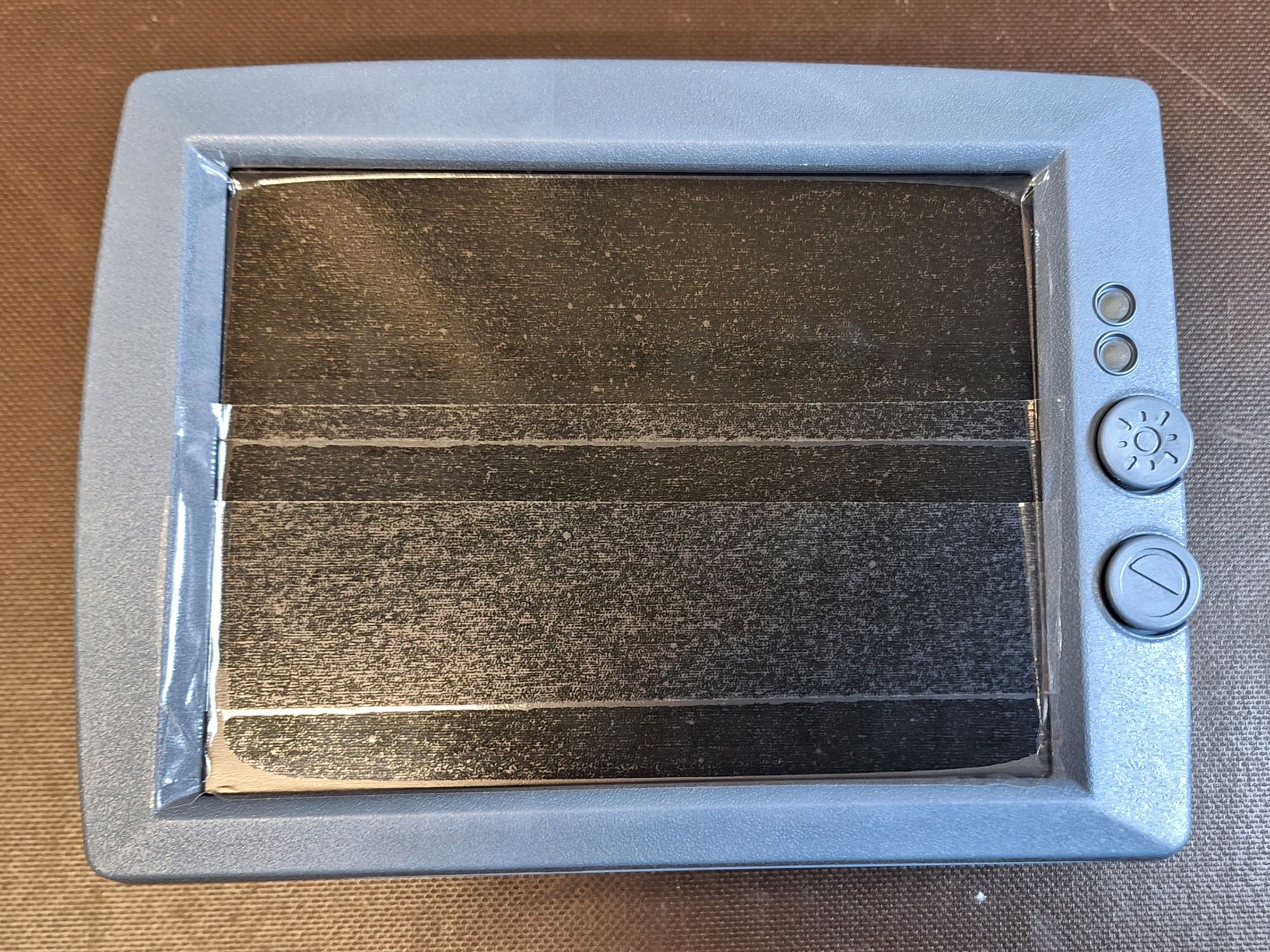
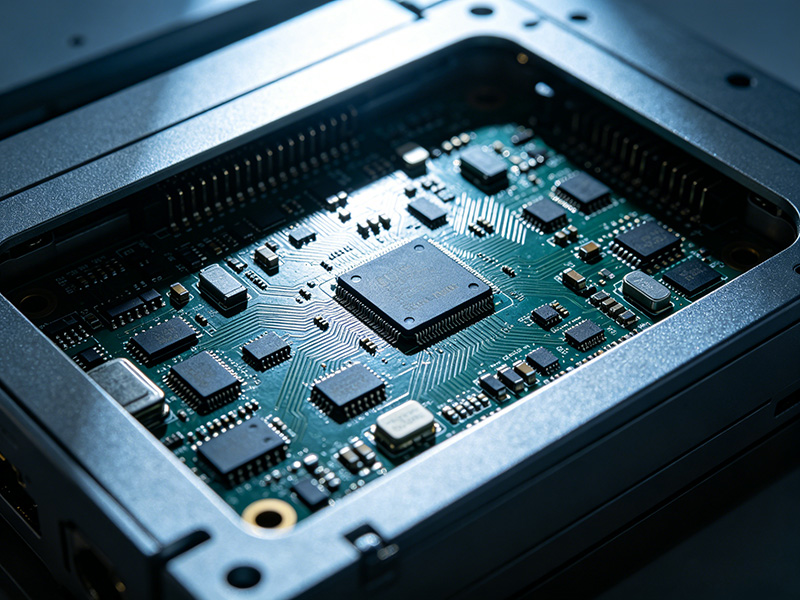
Avionics is a modern airplane's brain. It includes all of the electronic systems that aid the pilot in controlling the aircraft, navigating, and communicating with others. If there were no avionics, pilots would have to rely on their own judgment and visual information for flying, which is not a safe way to fly these days.Navigating is one of the primary functions of avionics. On the aircraft, GPS, radar and other sensors are used to determine the exact location of the aircraft in the air. This makes flying through clouds or at night, when pilots can't see the ground, easier to manage. When a passenger plane takes off from Manila to some other country, the path is meticulously planned and is followed by the aircraft with navigation systems on board constantly providing information on the position of the aircraft.Avionics also allow for communication. Radio communication is used by the pilots in order to speak with air traffic control and these are critical because it's in these conversations that the instructions are given on what speed, altitude and direction to fly at. Communication is very critical as on busy airfields confusion may occur without the pilots and air traffic control speaking clearly and efficiently.Another critical component to avionics is in aircraft monitoring. Contemporary aircraft contain sensors throughout the aircraft and the engine. The sensors transmit the real-time information to screen in the cockpit. Information such as fuel level, engine performance, air speed, and cabin pressure can be seen by pilots. Should a problem arise, the system notifies the crew immediately and they can take corrective action early.Autopilot is also part of avionics. It can take over a lot of the flying, such as maintaining a level flight or flying a route they've plotted. Pilots remain in control, but autopilot frees up pilots' time, particularly for extended flights.While flying, the passengers are not likely to notice that there is any avionics working, it is always there in the background. It doesn't call attention to itself, making the flight smooth and efficient from takeoff to landing.
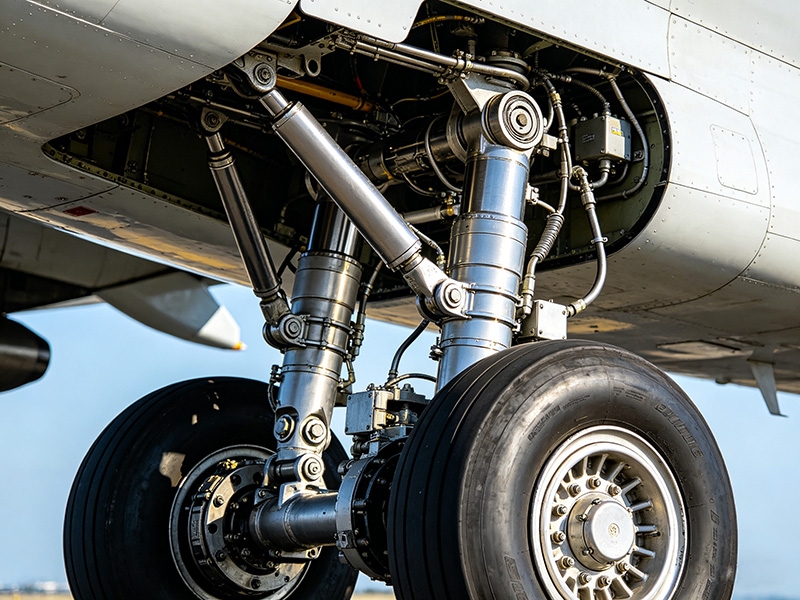
How Does Landing Gear Ensure Safe Takeoff and Landing Operations?
The piece of an aircraft that joins it to the ground is called its landing gear. The Aircraft landing gear parts is used to support the entire weight of the aircraft during takeoff, landing and taxiing. If it is not there, the flight would be ruined, regardless of how good it is, once the plane starts touching down on the runway.In the process of take-off the aircraft's landing gear provides it with support while it accelerates down the runway. It has to be able to withstand high friction, vibration and weight transfers as lift increases in the wings. The wheels need to move smoothly and will assist the aircraft to reach its intended speed for a safe take-off, especially when loaded.During landing, it is landing gear's toughest job. When the aircraft goes down, it doesn't go down as if it is stopped at traffic lights. It make great impression in catwalk. All this force would be supported by landing gear which is equipped with shock absorber with hydraulic fluid or air. It acts as a buffer and cushion the impact on aircraft body for the passenger's comfort.This is like a passenger jet landing after a good flight. As the wheels come in contact with the runway, you may experience a slight impact. The landing gear is doing the absorbing of the impact. Immediately following touchdown, the braking system and, in some cases, the reverse thrust decelerates the aircraft, and the landing gear ensures the stability and control.The landing gear also assists during the taxi, or when the aircraft is traveling slowly on the ground. It enables the pilot to turn the aircraft in the nose wheel direction to safely navigate between runways, gates and terminals.Some aircraft feature folding undercarriage when they take off. This will make the plane move more efficiently in the air as air resistance will be lessened.Simply put, landing gear is what makes it possible to land safely. It can withstand a lot of impact, facilitate the movement of the aircraft, and maintain its stability at the time of landing and parking.
How Do Engines, Avionics, and Landing Gear Work Together in Flight?
During aircraft operations, it is a system where the engine is required for the avionic and landing gear, all of the Controller aircraft parts systems are necessary for flight, but only have any meaning within a fully flown flight.Engines provide all propulsion for aircraft operations. During take off they move the aircraft up and down the runway and when a complete aircraft is flying, it holds the aircraft aloft. When a slow acceleration or deceleration is needed it will also provide the change in speed. The aircraft would be unable to take off or remain airborne without the aircraft's engines producing thrust.Avionics direct that power in the proper direction. Avionics is the term used to refer to the systems that allow pilots to determine their altitude, speed and direction. The systems also display real-time engine readings for the pilot to verify if all is well. If the engines are operating at too high or low a power, the avionics will assist the crew to quickly make the appropriate adjustment. Avionics are also responsible for controlling autopilot during flight, allowing the plane to fly steady and making long trips possible, as long as the pilots are on their game.Landing gear is used on the ground, but is closely related to the other systems in takeoff and landing. Prior to take-off, pilots test landing gear systems using cockpit indicators. When the plane is at the correct speed, the gear retracts which allows the plane to fly with less drag. When the gear folds up, the Avionics verify that the gear is secured.All three systems are carefully sequenced during landing. Avionics control the aircraft via navigation information to get onto the runway. The engines lower their thrust to enable smooth descent of the aircraft. When the plane lands, the shock of landing is absorbed by the landing gear, which helps to keep the plane steady as it slows down.Perhaps the easiest analogy to make is that of an aircraft as a team. It's strong with engines, directional with avionics and supported on the ground by landing gear. If all three are operating well, it is smooth and controlled throughout the flight.